

Coffee Machine Espresso
Coffee machine espresso makes an intense cup of coffee with hot water forced under pressure through compacted grounds. There's a lot that goes under the hood to ensure consistently high-quality coffee.
Pressure and temperature of water are the two most crucial factors. A good espresso machine will allow you to regulate these variables to ensure consistency in flavor and extraction.
Types
The top espresso machines utilize high-pressure to push hot water into coffee grounds that are tightly packed. This method brews about 1-2 grams of the concentrated version of coffee, referred to as espresso. It also produces the characteristic crema, which gives espresso its creamy texture. Espresso machines can create a variety of coffee drinks, such as cappuccinos, caffe lattes, and flat whites. Many coffee lovers prefer the taste and strength of espresso as compared to other varieties of brewed coffee.
Espresso makers are generally classified into four categories based on their level of automation: manual semi-automatic, automated and super-automatic. Automated machines are designed for use at home. They come with programmable beverage sizes and an automated process. The most expensive models can grind and tamp beans, as well as steam and froth milk for other drinks, such as cappuccino.
Portafilters are used in semi-automatic and piston-driven machines. They hold the tightly packed grounds of coffee, which are tamper-pressed. The handle is used to pressurize water, pushing the water through the grounds and releasing espresso. These machines provide the most authentic, hands-on experience in brewing however they require more attention and experience to operate.
Espresso machines that are completely automated are the most popular. They include an automatic pump that drives the pressurized water through the coffee grounds and extraction system to make espresso. These machines can be set to brew a certain amount of coffee by the press of an button. They also have sensors that adjust variables such as water temperature and extraction times.
Espresso and bean-to-cup coffee machines have filters that accepts pods or ground coffee. Most of these machines can serve multiple cups at once and can vary in their capacity for coffee-grinding size power, brew cycle speed and other aspects. Certain machines have different options for grinding coffee such as pre-ground or whole bean. Some machines also allow you to brew non-drinkable drinks like tea. Pod-based espresso machines are cheaper than full-size espresso machines but they can become more expensive with time. They also pose a problem for sustainability because coffee pods are hard to recycle or to degrade.
Functions
Espresso machines are made to produce high-pressure water which is forced through the ground coffee creating the thick, frothy drink called espresso. There are many different designs of espresso machines, however they all share the same basic features. They can be adjusted to vary the quality and pressure. They can be used to make many different drinks, ranging from simple single shots to complex capspuccinos. The majority of espresso machines have a steam wand to heat and make frothy milk.
Pump-driven espresso machines are the most sought-after kind of machine available on the market today. They use an electronic pump to push heated water through the brew chamber before being poured into the ground coffee, generating the desired high-pressure. They are available in semi-automatic, automatic, and super-automatic varieties.
Lever machines offer an experience that is more hands-on than pumps-driven units. They include a portafilter, which is a handle-shaped container that holds the ground coffee, and a group head. The barista loads the portafilter before locking it into the group head, which is made up of slots that are aligned with the metal tabs on the lever. The lever is pulled to create pressure when the portafilter has been locked into position. This causes water to be released. is disseminated through the grounds, creating a shot.
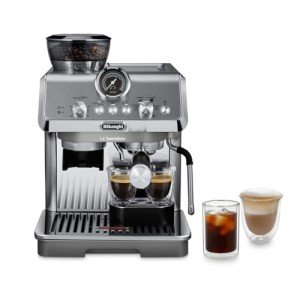
Although many brands claim that their products can reach 20 or more bars of pressure, the minimum amount required to make a great espresso is nine. Another important aspect is water temperature, which should be between 200 and 204 degrees Fahrenheit. Many commercial and professional machines have an additional boiler to heat the water to the right temperature for brewing. However, some machines have dual heater designs (also called a dual boiler) that provide more flexibility.
Espresso machines are, in contrast to filter-based coffeemakers can make a variety of drinks at the touch of a single button. They can be programmed to automatically adjust various factors, such as the size and temperature, as well as how much water is pouring. Some models even have integrated grinders, which allow you to start with fresh beans. A lot of models also have a digital display that tracks important details like the temperature and time of the coffee.
Easy to Use
A good espresso machine can provide you with many beverage options, ranging from double and single shots to cappuccinos and lattes. It should also give you the flexibility to use different types of beans and to adjust the grind size according to the need. A good coffee and espresso machine allows you to control important aspects like water temperature and pressure. Some models have digital, programmable PID controls that let you fine-tune the temperature of the water. Some models may come with an integrated grinder that automatically adjusts the size of the ground coffee before it enters the portafilter. These features can be helpful if you are new to making espresso or don't have the patience or knowledge to measure and grind manually your coffee.
If you plan on drinking your espresso with milk, opt for a machine that has an additional steam wand that is capable of heating and frothing the liquid. Some machines come with separate hot water spigots as well. If you're looking to brew a large volume of espresso, think about buying an Italian-style double boiler espresso machine that has two separate steam tanks as well as independent temperature controls. This kind of espresso machine is typically more expensive, but provides better stability of heat during the coffee brewing process.
Most espresso makers require some manual work to clean. Some models are self-cleaning but the majority require a daily cleaning of the portafilter and milk mixer. Descale the machine every few months. When descaleing a coffee maker or espresso maker, make sure to unplug the unit first and follow the instructions in the user manual for specific guidelines.
www.coffeee.uk of water you are using will affect the amount of mineral buildup that occurs in your machine. Hard water can contain high levels of dissolved minerals and may require a descaler, while soft water or filtered water are easier on the machine.
Maintenance
A well-maintained espresso machine is a crucial component of the success of any cafe. These machines work hard to make delicious espresso drinks, and they deserve to be kept tidy.
Maintenance of the espresso machine requires regular cleaning and weekly descaling. Cleaning involves getting rid of the drip tray as well as the waste container, and washing them with soapy, warm water. This involves cleaning the portafilters and removing the coffee grounds from each grouphead to avoid a buildup of coffee grounds which could alter the taste. It is also recommended to clean the frothers and milk containers and remove any odors or stains. Descaling eliminates the limescale, or mineral deposits, from the inner workings of an espresso machine. This is usually done by using a descaler that is compatible with your machine and following the guidelines that are provided by the manufacturer.
Other monthly maintenance tasks include checking the seals and gaskets for signs of wear or damage which can cause leaks. It is essential to replace worn or damaged parts to avoid costly repairs. A monthly inspection should also concentrate on the brew group mesh which is where coffee residues and oils can accumulate. If the mesh isn't regularly cleaned, traces of the coffee will remain in every cup of espresso your staff serves.
Finally, a test of the water hardness is recommended every month to ensure that your cafe has high-quality water. A high level of total dissolved substances (TDS) could make your espresso machine's life span to decrease and will be overloaded. Softening water systems are a great way to reduce the cost of repair and replacement expenses.
Espresso machines are complicated machines that require a different level of care. It's important for maintenance managers to be aware of the complexities involved and develop an efficient and consistent schedule for espresso machine maintenance. Additionally an electronic solution such as Xenia can help streamline the scheduling and monitoring of preventive maintenance, provide alerts when tasks are due, and efficiently track inventory to reduce the likelihood of unplanned downtime. Xenia automates tasks to simplify maintenance management and improve customer satisfaction.